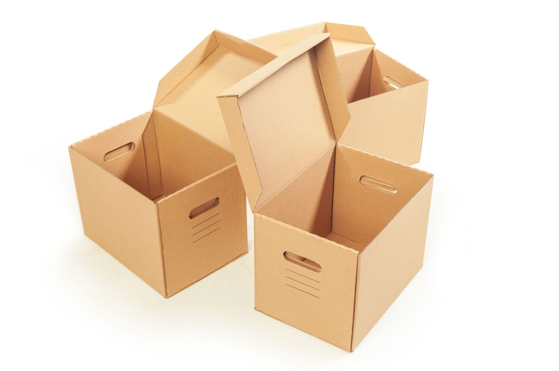
7 Things You Should Know Before You Buy Cardboard Boxes

The popularity of buying cardboard boxes is mostly due to their lightweight nature, which does not add any additional weight to the shipping parcel. Apart from this, a cardboard or flap box is an ideal choice for product shipping due to its eco-friendly and cost-effective nature.
But make sure you choose the right box for shipping, or else it could be damage-prone. So, what should you know about cardboard boxes? What should you consider before selecting a cardboard box for you? Let’s explore.
Key Takeaways
- Cardboard Boxes: A reliable and effortless option for light or heavy product shipping.
- Well-built cushioning and support.
- Check box materials, strength, single-wall or double-wall advantages, sustainability, and flute length.
Carboard Boxes: What and Why?
Durable, versatile, and eco-friendly containers – cardboard boxes are made from corrugated fibreboard or paperboard, and are commonly used for packaging, shipping, and storing goods.
While corrugated fibreboard offers standard shipping advantages, paperboard or folding cartons are the best option for everyday-use consumer products.
But what are the key benefits of buying cardboard boxes?
- A strong stacking strength and cushioning offered by cardboard or flap boxes protect products from moisture, dirt, and breakage issues.
- Easy to recycle, and mostly made from recycled materials to reduce carbon footprint and waste amount.
- You can get customised boxes (shape and size), with maximum efficiency.
- A lightweight and cost-effective option for heavy or light shipping.
See also: Legal Considerations for International Humanitarian Organisations
What Should You Check for Before You Buy Cardboard Boxes for Shipping
Here are the 7 key factors you should consider before buying cardboard boxes, and experience the maximum utility for product shipping.
1. Materials
Convenience, affordability, and durability are the three fundamental factors driving the popularity of cardboard boxes. Therefore, ensure that the cardboard box you choose is lightweight yet hard-wearing.
Look for a two-layered cardboard or flap box, and don’t forget to check the inside flute of paper, since it highly influences the durability and utility of the box. Moreover, opt for a cardboard box with a Kraft paper-based outer layer, as it makes the box tougher and improves quality.
(Tip: Don’t forget to check the water-resistance level, appropriate for shipping during the monsoon.)
2. Apply the Two-Inch Rule
A basic, but important practice when buying cardboard boxes is to look for two inches of clearance on all sides of products. However, for more delicate items, the rule is extended to 3-4 inches for additional protection.
This space in a cardboard or a flap box offers cushioning, important especially when products are excessively shifted during transit. The application of this rule aims to provide a buffer, without which, items may break or shift, or the box may rupture during transit. So, choose a box with an optimal fit for fabric or general retail goods.
3. Consider Dimensional Weight Pricing
In cases of large packages, international carriers like UPS or FedEx charge based on the dimensional weight, instead of the actual weight. It is measured by multiplying the height, length, and width of the box, and dividing it by a dimensional divisor.
Interestingly, calculating the dimensional weight can make your shipping cost-effective. But how?
If the dimensional weight surpasses the actual weight, the carriers will charge for the former only. So, choosing a small, but practical box can cut down the shipping costs.
4. Bursting Strength Test
Wherever you buy cardboard boxes, it is important to be aware of the pressure they can withstand or what their limit is. In this regard, conducting the bursting strength or Mullen test is important to know the robustness of boxes. Especially when you’re planning to ship sharp-edged or heavy items, ensure a reliable test result, so that the cardboard walls do not burst or puncture easily.
Here are some common ratings that will help you find the right box for shipping.
- 275-pound test for 95 pounds of packages.
- 200-pound test for 65 pounds of palcages.
- 350-pound test for heavier product shipments.
Additionally, here’s a chart exploring the important aspects of a Box Marker Certificate and its implications:
| Key Aspects of the Box Marker Certificate | What They Stand For |
| ECT (Edge Crush Test) | Measuring stacking strength |
| Burst Strength (Mullen Test) | The maximum force the box walls can withstand |
| Maximum Weight Limit | The maximum weight a cardboard box can carry. |
Table 1: Box Marker’s Certificate
5. Single-Wall Boxes vs. Double-Wall Boxes
So, what should you opt for – a single-wall box or a double-wall box? Well, that depends on your purpose and preference.
- Buy a single-wall cardboard or flap box, a standard packing, for shipping lightweight goods, such as books or clothing, which do not need extra protection. Usually, the capacity is up to 12 KG, and easy to store.
- Shipping heavy and fragile items? Buy double-wall cardboard boxes – adequate heavy-duty packing, since they are highly crush-resistant, with a superior stacking strength. The two layers of corrugated fluting empower its capacity more than 40 KG.
Also, if you want more information to make the appropriate choice between single and double-wall boxes, here’s a comparison chart to help:
| Feature | Single-Wall Boxes (3 Ply) | Double-Wall Boxes (5 Ply) |
| Construction | One fluting layer (waves) between two linerboards. | 2 layers of fluting sandwiched between 3 linerboards. |
| Strength & Durability | Moderate; adequate for basic requirements, but prone to crushing. | High, rigid, durable, and crush-resistant. |
| Weight Capacity | Lightweight (up to 10–12 kg). | Heavy-duty (12 kg to 40 kg+). |
| Protection Level | Standard: suitable for local transit. | Excellent; ideal for fragile/valuable items (glassware, electronics). |
| Stacking Ability | Limited; not suitable for high stacking. | Excellent; superior stacking strength. |
Table 2: A Comparison between Single-Wall Boxes and Double-Wall Boxes
6. Sustainability
You can purchase cardboard boxes, made from 60%-100% recycled materials, especially Post-Consumer Waste (PCW). PCW means that instead of factory scrap, the boxes are made by recycling materials already used by customers. However, check PEFC or FAC certifications to ensure whether the wood pulp is generated from well-managed forests or not.
(Note: Although cardboard or flap boxes are biodegradable in nature, do not opt for heavy plastic inks or laminates that do not meet the sustainability guidelines.)
7. Flute Length: Based on Fragility and Weight
Flute lengths in cardboard boxes refer to the thickness of the inner wavy layer of the corrugated sheet, determining the stacking capacity, strength, and cushioning of boxes. Make sure that you choose the right shipping box, based on the fragility and product weight.
Check the table below to know about different types of flute lengths, providing balance and cushioning for products:
| Types of Flutes | Properties |
| Heavy or Fragile Items (A-flute, 5mm) | Maximum shock absorption, cushioning, and compression strength, and ideal for glass or heavy machinery. |
| Medium Weight Items (C-flute, 3.2 mm) | Best for general shipping, offering reliable crush resistance and balanced cushioning. Best for household products and electronics. |
| Lightweight Items (E-Flute, 1.5 mm) | Rigid, but thinner. Best for food, cosmetics, and jewellery. |
Table 3: Types of Flutes for Various Product Shipping
Looking for the Best Quality Shipping Boxes? Not Sure About the Quality or Strength?
Find the best shipping brand in your area, and experience the most effective shipping services in cardboard boxes. Check brand reviews and experiences to opt for the best service. Check the pricing as well, to avoid budget overrun issues.